
Black Women Built This Moment: The Midterms’ Historic Wins, at the Ballot Box and on It
From the first Black woman governor to a record across statewide offices, Black women made history as candidates and as voters.
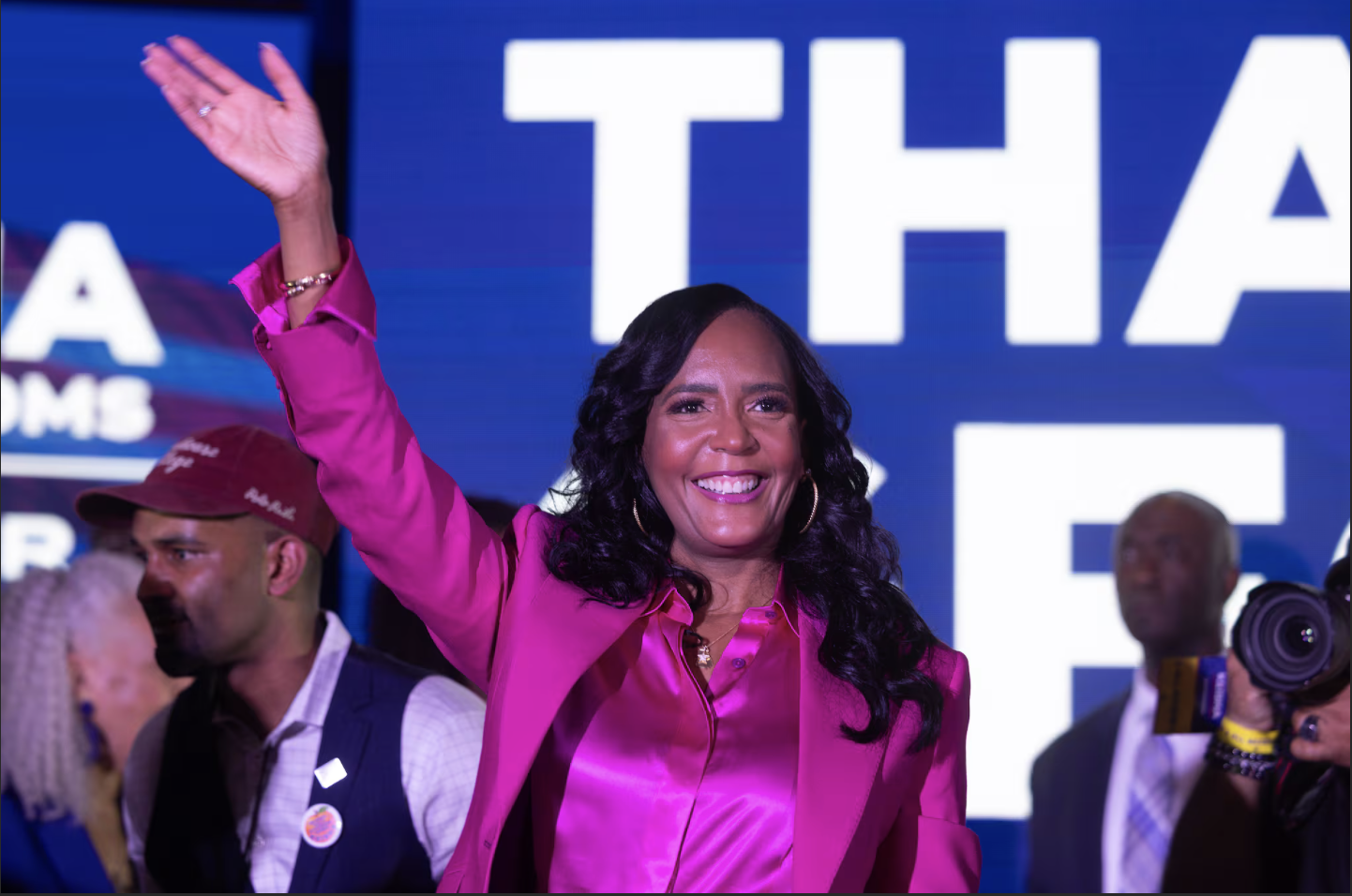
In nearly 250 years of American history, no state had ever elected a Black woman governor. On Nov. 3, Georgia did.
Keisha Lance Bottoms, the former Atlanta mayor, won the governor’s race against billionaire Rick Jackson, who had a nearly $200 million fundraising advantage, Capital B News reported. “You’ve shown that no amount of money will ever overcome the power of the people,” she told supporters.
The road to that night ran through Stacey Abrams. In 2018, Abrams came within a stone’s throw of the governor’s office, falling roughly 18,000 votes short of even forcing a runoff. The organizing she built across Georgia didn’t end with that loss. “This was a building process,” Abrams said of Bottoms’ win this month.
And Bottoms didn’t make history alone.
Georgia’s sweep
When Georgia’s new leaders take office in January, Black women will fill nearly every top statewide job. Alongside Bottoms, they include:
-
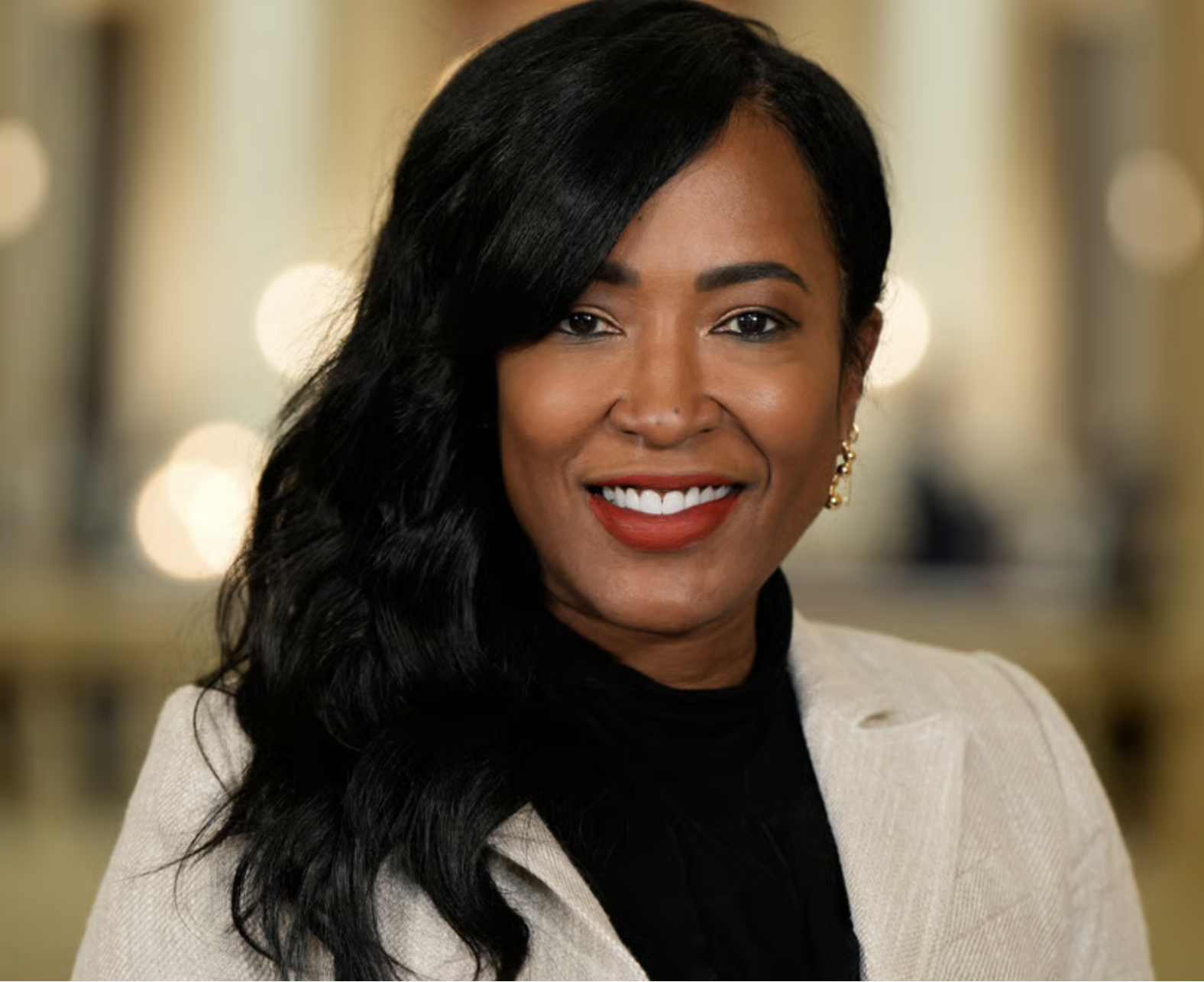 Tanya MillerAttorney generalThe first Black woman elected to the post
-
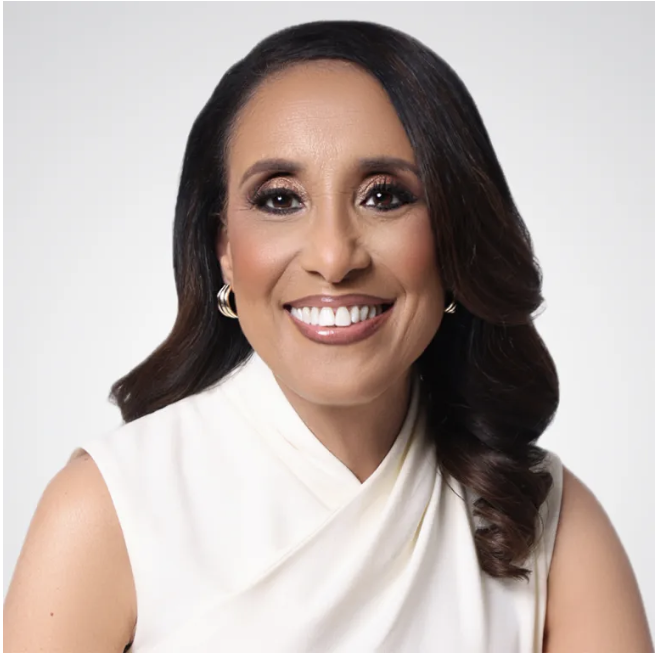 Penny Brown ReynoldsSecretary of stateThe first Black person in the role
-
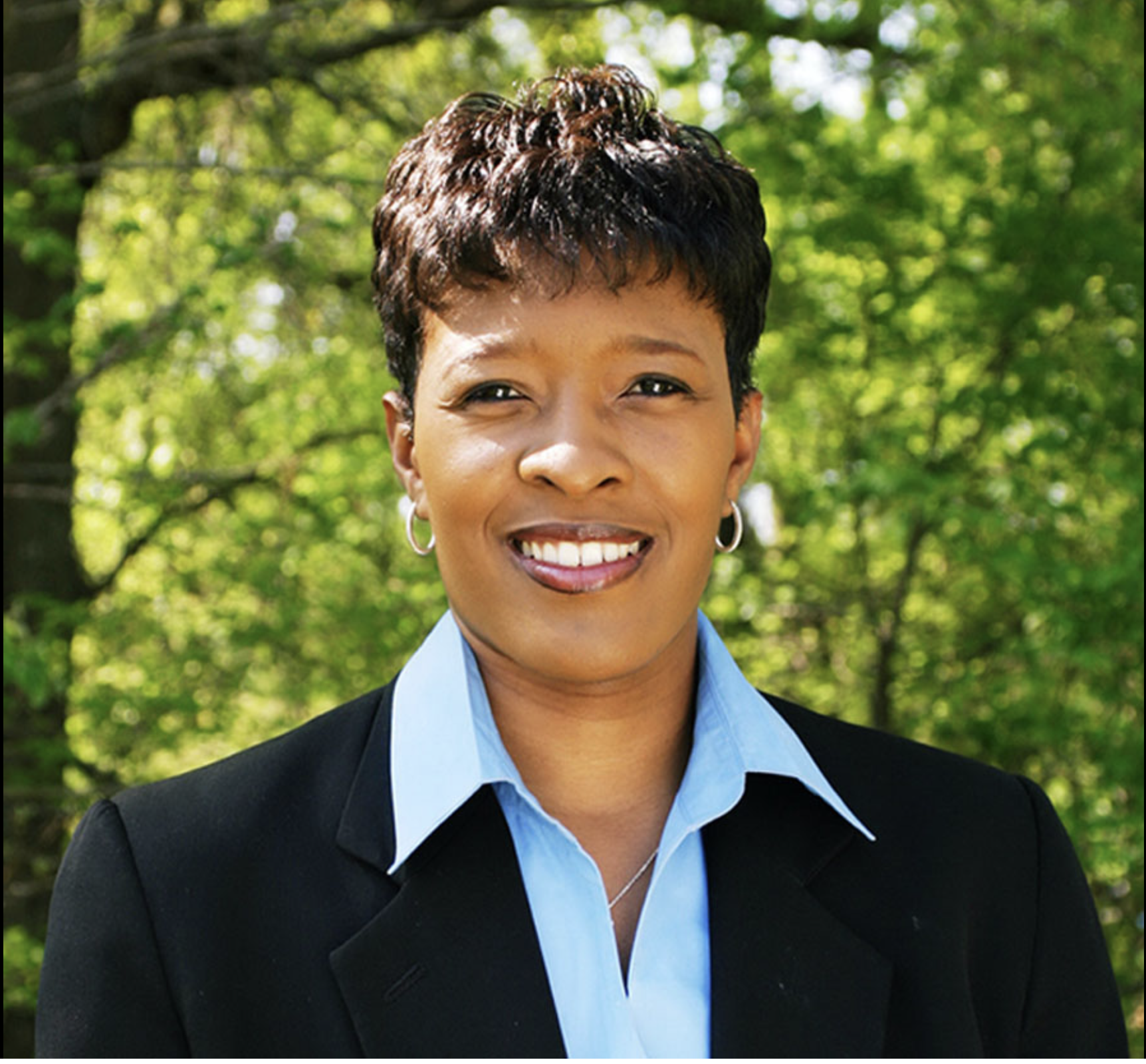 Keisha Sean WaitesInsurance commissioner
-
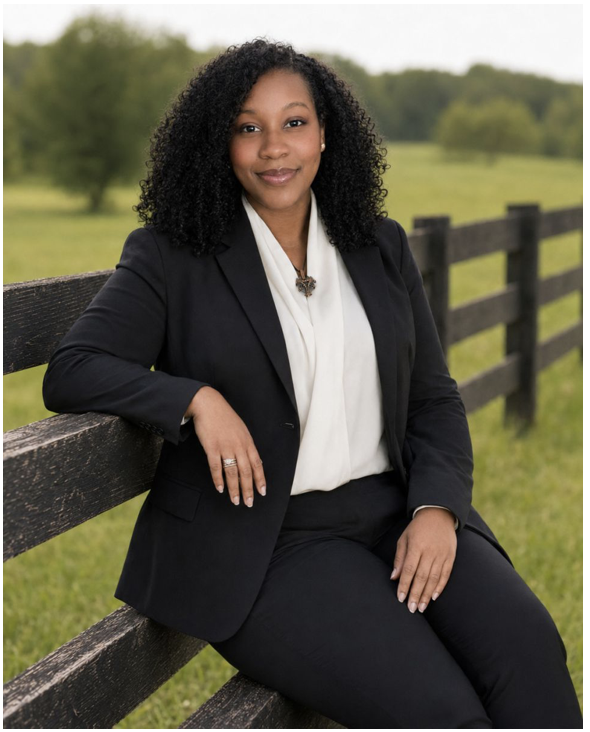 Katherine Juhan-ArnoldAgriculture commissioner
-
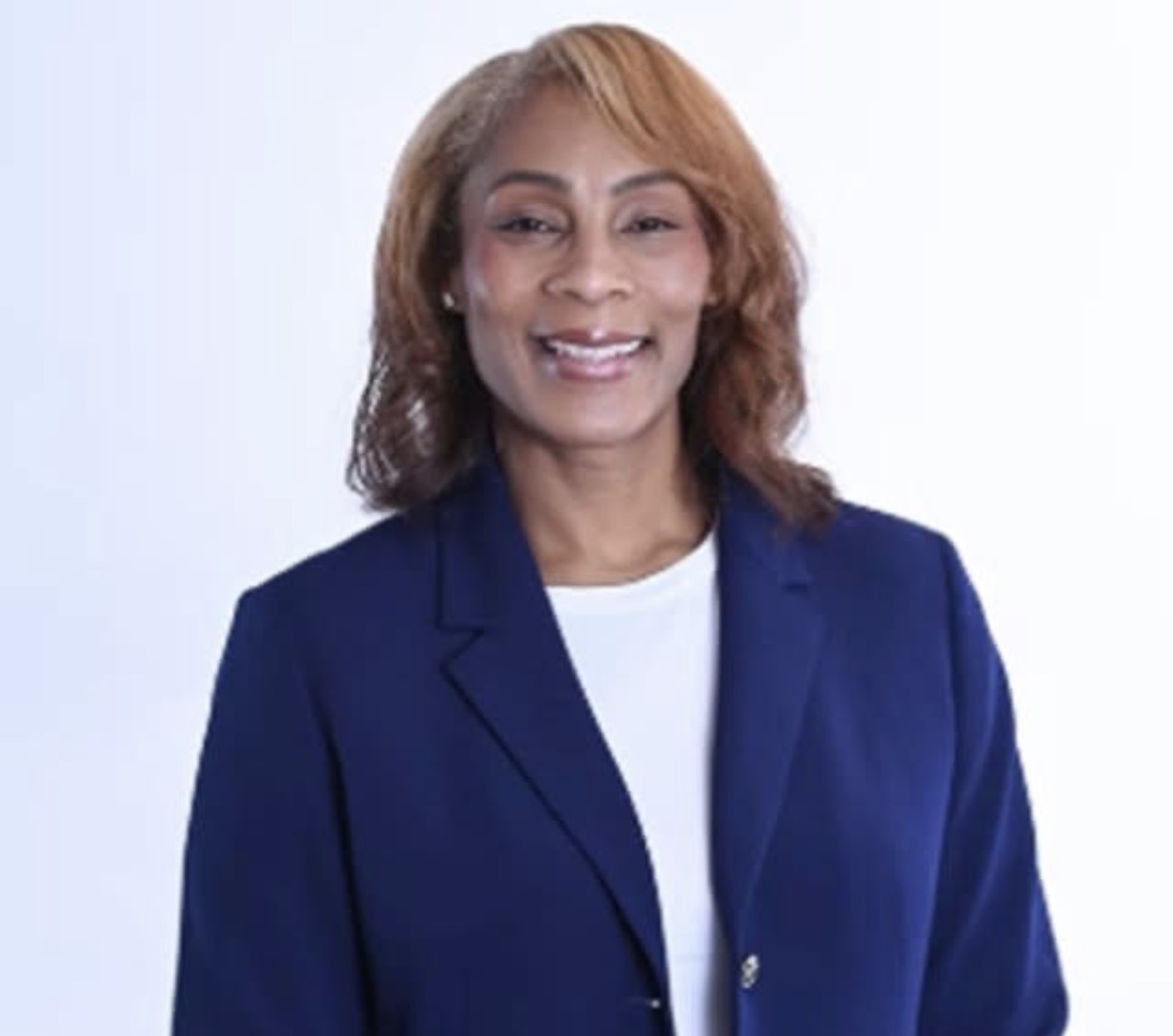 Lydia PowellState school superintendent
-
 Nikki PorcherLabor commissioner
-
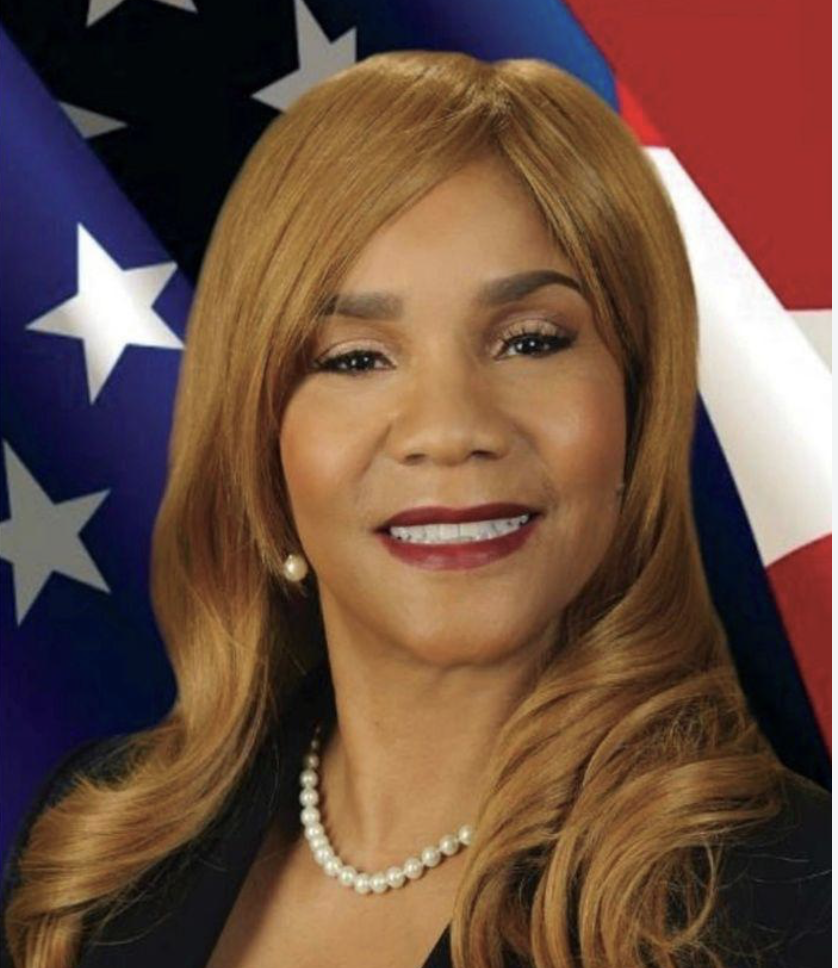 Shelia EdwardsPublic Service Commission
Georgia is also sending Jasmine Clark to Congress. A scientist with a Ph.D. in microbiology and molecular genetics from Emory University, she’ll be the first Black woman with a STEM Ph.D. to serve there.
“You’ve shown that no amount of money will ever overcome the power of the people.”
Keisha Lance Bottoms
Three in the Senate
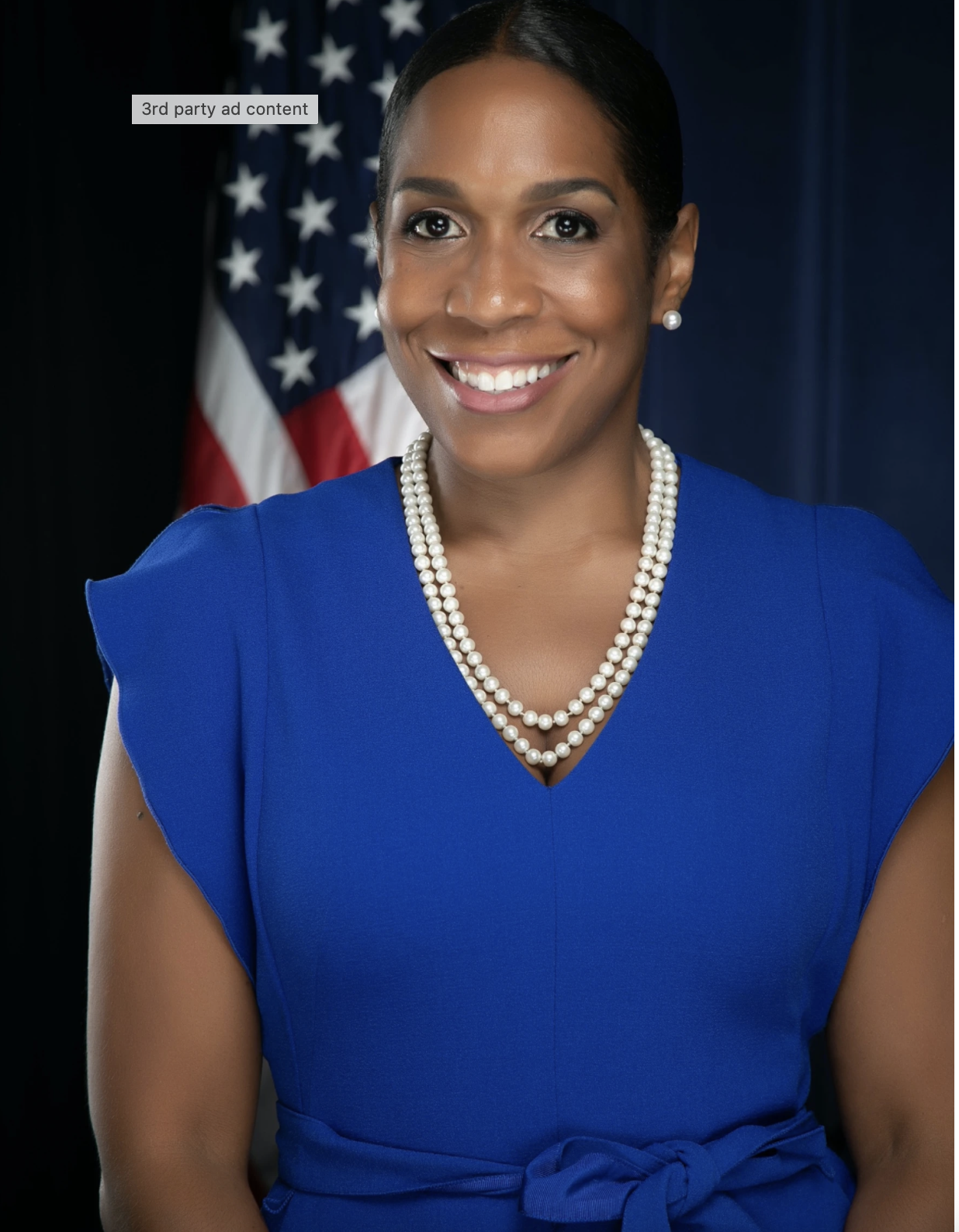
In Illinois, Lt. Gov. Juliana Stratton won her Senate race, joining Lisa Blunt Rochester of Delaware and Angela Alsobrooks of Maryland. For the first time, three Black women will serve in the U.S. Senate at the same time. It’s a long way from 1992, when Carol Moseley Braun became the first Black woman ever elected to the Senate.
Firsts across the map
The wins reached far beyond Georgia. A record 72 Black women ran for Congress, governor and statewide office this year, and at least 18 will hold statewide executive office next year, up from the previous record of 11, according to Rutgers University’s Center for American Women and Politics. Among the firsts:
-
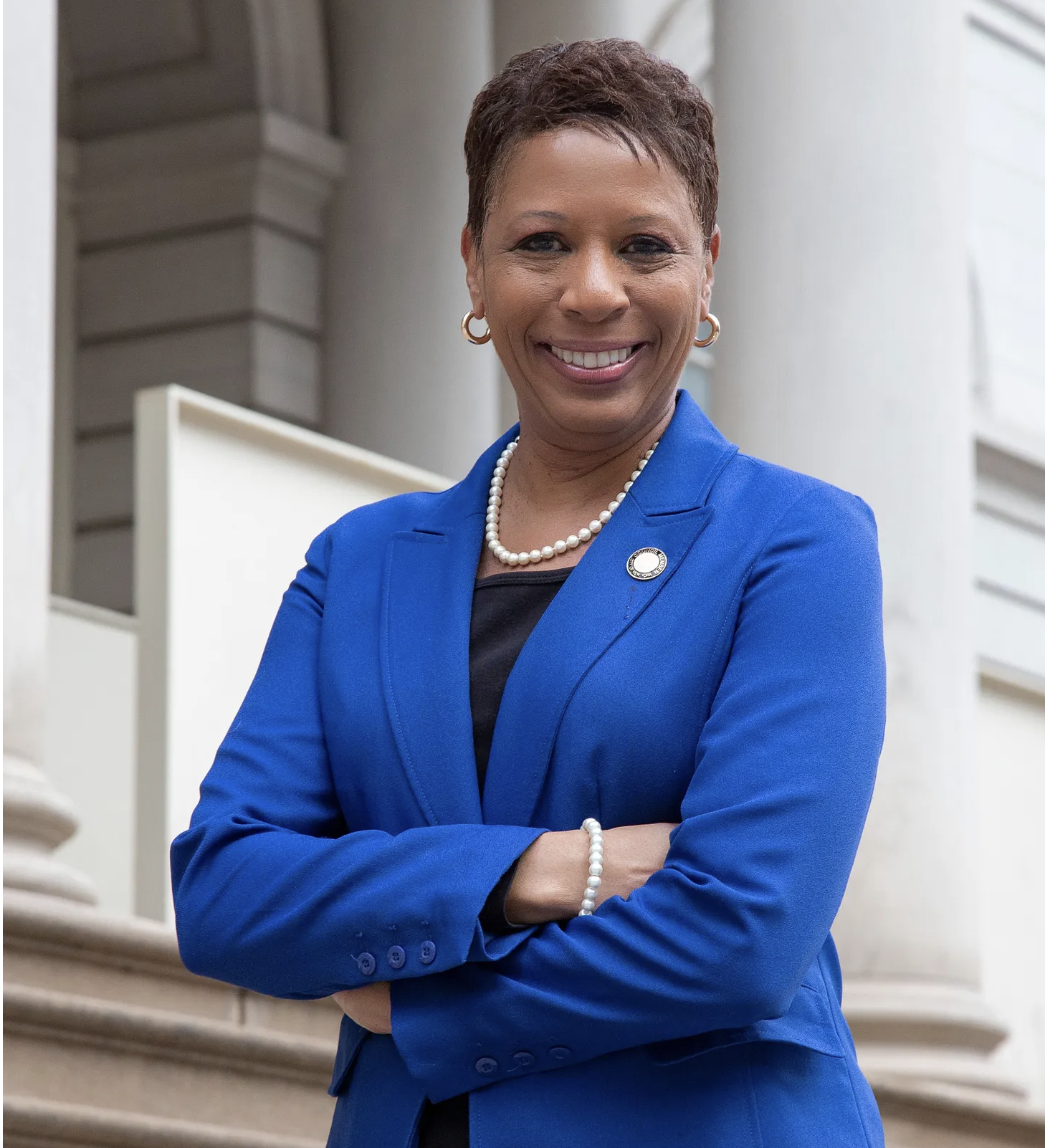 Adrienne Adams becomes New York’s first Black woman lieutenant governor.
-
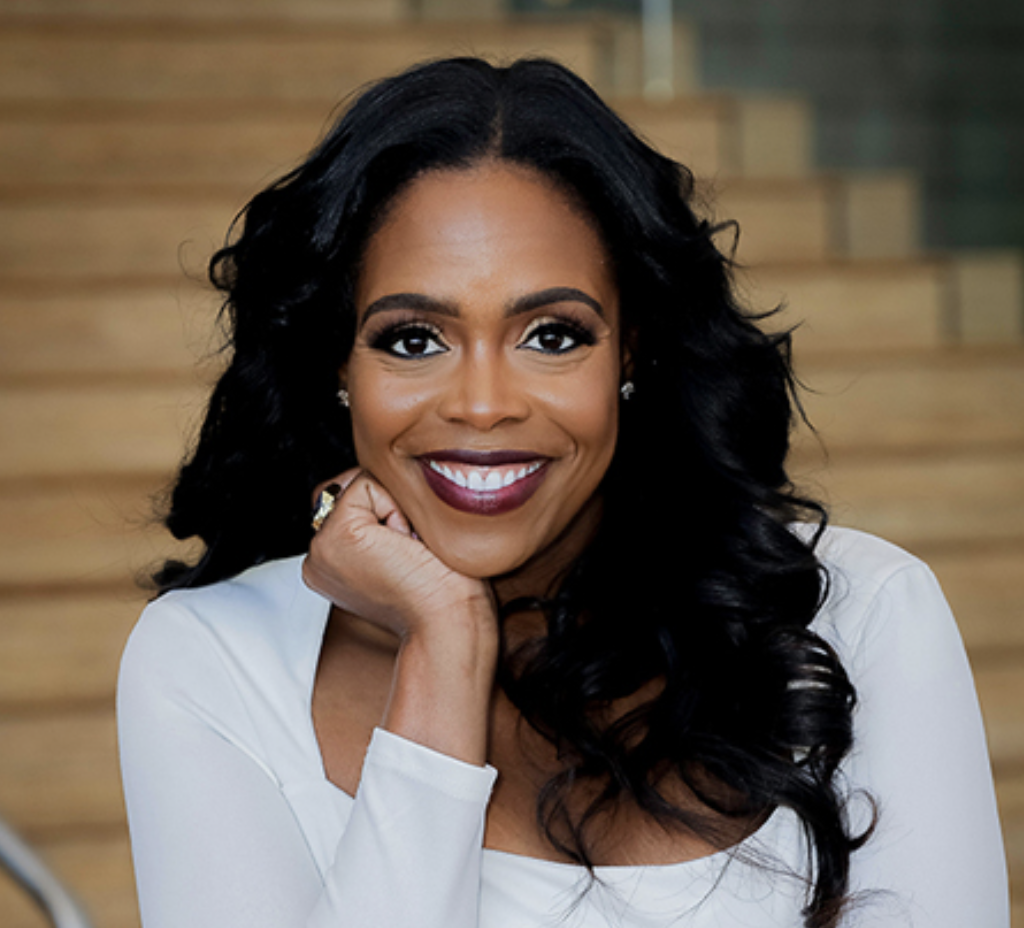 Tya Mathis-Coleman becomes the first Black woman elected to statewide office in Nevada.
-
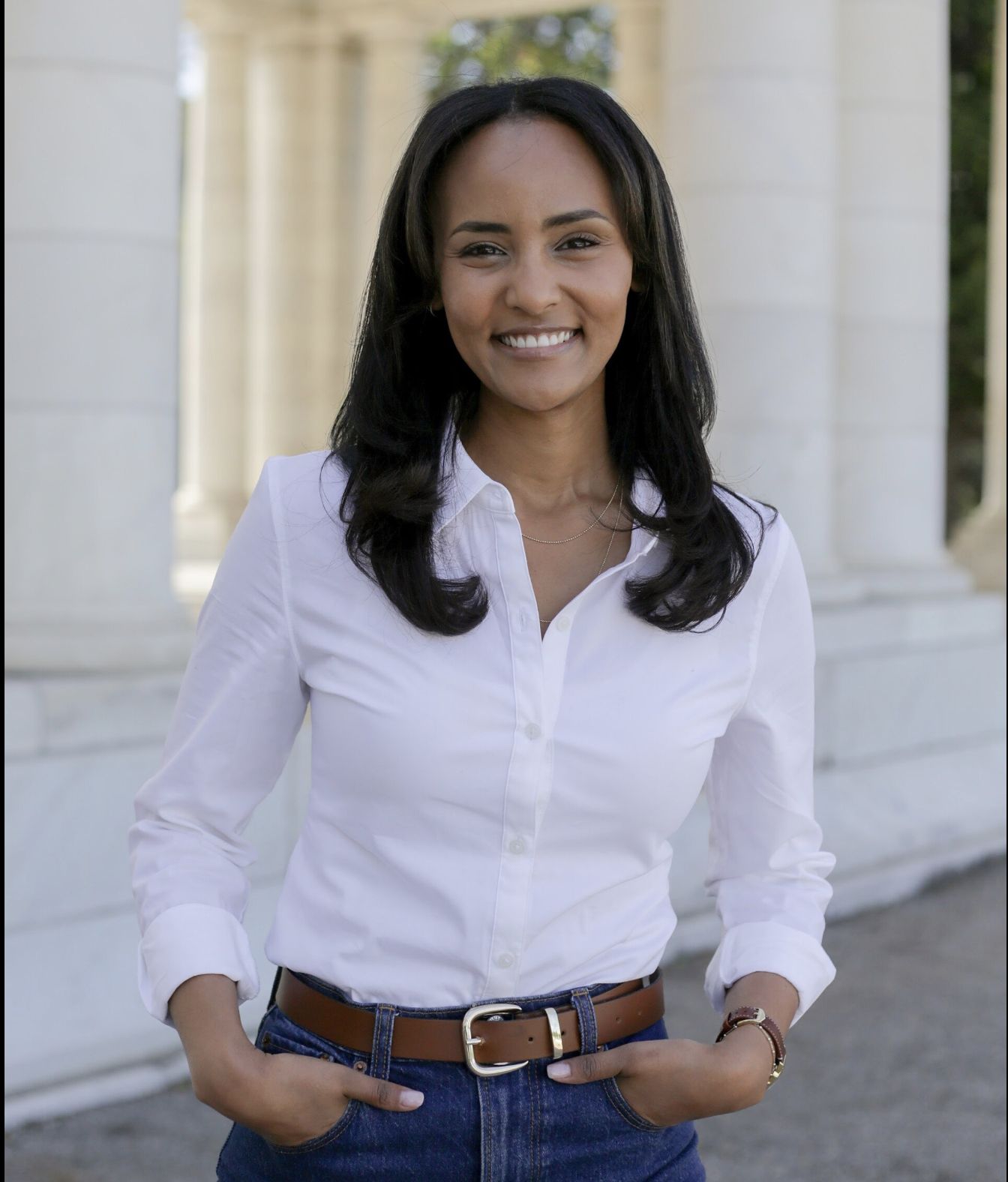 Melat Kiros becomes Colorado’s first Black woman in Congress.
The voters behind the wins
Black women didn’t only win. They showed up.
In Georgia, just under 1.14 million Black voters cast ballots, up from about 1.04 million in 2022 and a record for Black turnout in the state, according to Capital B News. Roughly nine in 10 Black women there voted for Bottoms, according to AP VoteCast data reported by Axios.
Nationally, Black women backed Democratic House candidates by 93%, according to the national exit poll. Young Black women were part of the story, too: Tufts University researchers found gains among Black women ages 18 to 29.
That kind of turnout doesn’t happen by accident. It’s the result of years of organizing in churches, on campuses and door to door, the same groundwork Abrams pointed to. As she put it, “that conversation, that investment and that consistency can pay dividends.”
What comes next
The new class takes office in January. Bottoms and Georgia’s statewide officials will be sworn in early in the year, and Stratton, Clark and Kiros join Congress on Jan. 3.
They campaigned on issues that land close to home for Black women: health care, wages, child care and the cost of living. Now comes the harder part, turning a historic night into results.